
From the archive
Luxury House Plans: The Importance of Avoiding Poor Design
Originally published March 26, 2023.
← All real estate guidesFrom the original Zen Lenon Group journal. Market conditions, listings, financing, and regulation referenced here reflect the time of writing.
Building a luxury home is a dream for many people. It's a chance to create a living space that's tailored to your exact needs and preferences, with all the amenities and features that you desire. However, the success of your project depends largely on the quality of your luxury house plans. Poorly designed plans can lead to a range of issues, from wasted time and money to subpar living conditions. This article explores the importance of avoiding poor design in luxury house plans, as well as some key factors to consider when creating your own.
What Are Luxury House Plans?
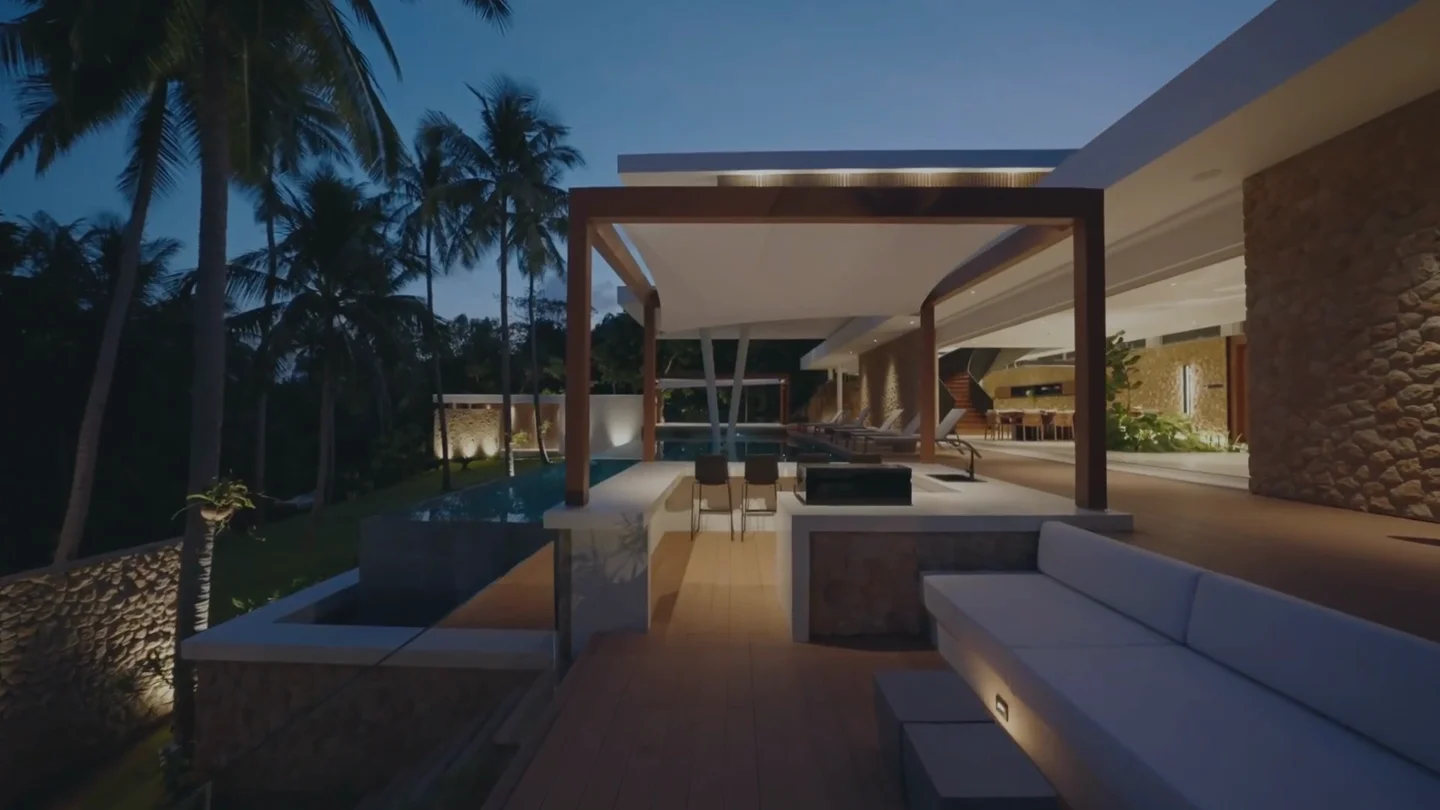
Luxury house plans are custom-designed blueprints that outline the layout, features, and specifications of a high-end home. They're typically created by professional architects or designers and take into account the unique needs and preferences of the homeowner. Luxury house plans can range from modest single-story homes to sprawling estates with multiple levels and dozens of rooms. They often include a range of luxury features, such as pools, home theaters, wine cellars, and outdoor living spaces.
Why Avoid Poor Design in Luxury House Plans?
Poorly designed luxury house plans can lead to a range of issues that can affect both the short-term and long-term enjoyment of your home. Here are some key reasons to avoid poor design when creating your luxury house plans:
- Wasted Time and Money: Poorly designed plans can lead to costly mistakes and delays during the building process. This can result in wasted time and money that could be better spent on other aspects of your project.
- Subpar Living Conditions: A poorly designed luxury home can also lead to subpar living conditions. This can include issues with natural light, airflow, and temperature control, as well as uncomfortable or awkward living spaces.
- Reduced Resale Value: If you plan to sell your luxury home in the future, poor design can significantly reduce its resale value. Buyers are often willing to pay a premium for well-designed homes that meet their needs and preferences.
Factors to Consider When Creating Luxury House Plans
To avoid poor design in your luxury house plans, there are several key factors to consider:
- Your Needs and Preferences: The most important factor to consider when creating luxury house plans is your own needs and preferences. What features and amenities do you want in your home? What kind of layout and flow do you prefer? What style of architecture and design do you find appealing?
- Site Conditions: Site conditions can also play a significant role in the design of your luxury home. Factors such as the slope of the land, the orientation of the sun, and the presence of trees and other natural features can all impact the design and placement of your home.
- Building Codes and Regulations: It's important to consider local building codes and regulations when creating your luxury house plans. This can include requirements for setbacks, height restrictions, and other zoning rules.
- Professional Design Assistance: Finally, it's important to work with a professional architect or designer when creating your luxury house plans. They have the knowledge and experience necessary to create plans that meet your needs and preferences while also ensuring that they meet all relevant building codes and regulations.
Avoiding Poor Design in Luxury House Plans: A Must for Success
In summary, avoiding poor design in luxury house plans is essential for a successful building project. By considering your needs and preferences, site conditions, building codes and regulations, and professional design assistance, you can create plans that meet all of your requirements while also ensuring that your home is well-designed, functional, and comfortable to live in.
Talk through your next move.
Tell Zen what you’re looking for and where you’d like to start.